
PROGRAM
Summer Research Institute
An annual, hands-on training that puts real prevention data into the hands of early-career researchers. Each year focuses on a different dataset, method, and gap in violence prevention research.
At a glance
Who it's for
Early-career researchers, such as advanced graduate students and postdocs
Format
A one-week, in-person data camp, then six months of mentored manuscript development
Each year
A new dataset, method, and research gap
Next institute
Summer 2027 · applications open May 2027
WHY IT EXISTS
HOW IT WORKS
Two gaps, one program
The research gap. Some of the most important questions in violence prevention sit in datasets that have never been fully analyzed.
The training gap. Rigorous methods, mentorship from subject-matter experts, and hands-on work with real data are a rare combination for early-career researchers. The institute brings all three together, and each cohort produces new, publishable evidence.
1
2
3
Data camp: one week, in person. Training in a rigorous method, using real data.
Mentored writing: six months of mentored manuscript development.
New evidence: peer-reviewed papers, research briefs, and a public webinar.
THE 2026 INSTITUTE
WhatsOK helpline data · Reflexive thematic analysis
The inaugural cohort worked with transcripts from WhatsOK, the first helpline built for young people worried about their own sexual thoughts or behavior. Up to 77% of youth-reported sexual harm is committed by other young people, yet this group remains one of the least studied in prevention research.
LED BY
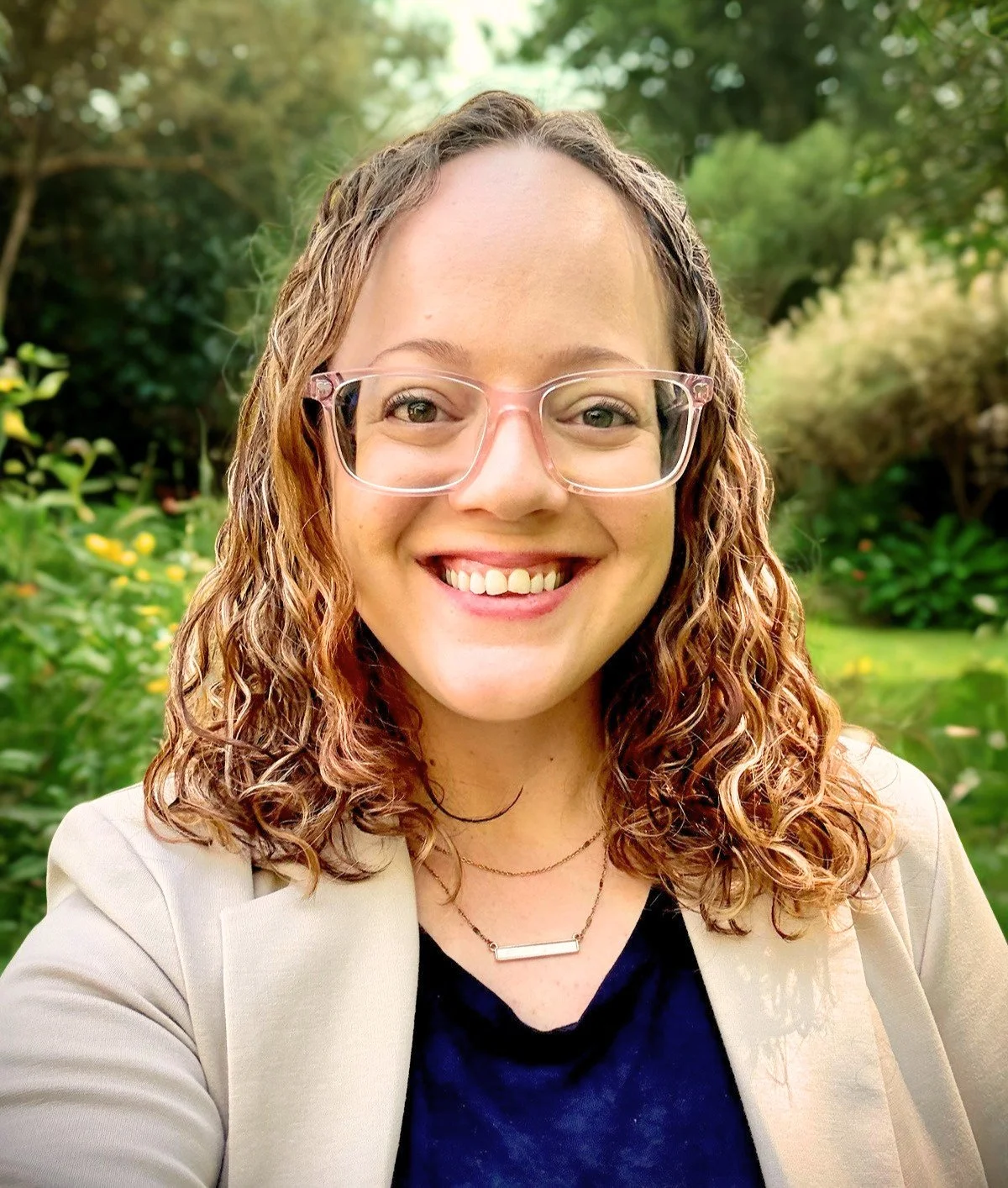
Maggie Ingram, PhD, MHS
Assistant Scientist at the Center, with a decade of experience in preventing child sexual abuse and problematic or harmful sexual behavior among youth.
THE NEW EVIDENCE: FIVE PAPERS IN DEVELOPMENT
Young people who repeatedly contact the helpline: who returns to WhatsOK more than once, and what repeat contact shows about the need for ongoing support.
Concerns about sexual behaviors as younger children: contacts describing behaviors that happened earlier in childhood, and how concerns surface and persist over time.
Young people’s descriptions of parents and caregivers: how youth talk about the caregivers in their lives, as a source of support, a barrier to disclosure, or both.
Girls and young women who contact the helpline: a population largely absent from existing research on problematic sexual behavior, which has focused mostly on boys.
The 2026 Summer Research Institute was funded by the Oak Foundation.
Young people who contact the helpline about their own victimization: the overlap between youth who reach out about being victimized and those with concerns about their own behavior.
“Working with the transcripts provided insight into a population and set of experiences that I had not previously studied in depth, while reinforcing the importance of understanding youth voices in prevention research.”
NEXT YEAR
A new method and dataset each year
We plan to hold the Summer Research Institute every year, each time focused on a different gap in prevention research. Sign up to hear when applications open.